 Ayesha Khan
Creator-driven content is now the backbone of TikTok Shop sales in the US. Momentum Works and Tabcut’s H1 2026 data puts the Shop tab at 51.4% of attributed US GMV, shoppable video at 40.4%, and LIVE at 8.2%, and nearly all of that volume is sourced and closed through creators, not brand-owned content.
For a TikTok Shop seller, the platform used to source and manage those creators determines whether that channel becomes a predictable revenue stream or a pile of one-off posts that never repeats.
This guide breaks down how creator marketplaces actually work for TikTok Shop specifically, ranks the platforms sellers use in 2026, and covers the two mistakes that quietly sink most creator programs before they scale.
What Is a Creator Marketplace for TikTok Shop Sellers?
A creator marketplace is a platform that replaces manual creator outreach, cold DMs, spreadsheets, chasing follow-ups, with a centralized system for finding, vetting, briefing, and paying TikTok Shop creators. Instead of negotiating with one creator at a time, a seller filters a pool by niche, audience, and past performance, then activates and tracks partnerships from a single dashboard.
For TikTok Shop specifically, this usually means one of three things: TikTok’s own first-party tools (TikTok One), a third-party discovery and analytics platform layered on top of TikTok’s creator pool, or a managed marketplace where an agency handles sourcing and campaign execution directly.
How a TikTok Shop Creator Marketplace Actually Works
Every marketplace, official or third-party, runs through the same four stages, whether or not the platform makes them visible.
Discovery
Filtering a creator pool by niche, follower range, engagement rate, and audience geography. TikTok One does this with its own first-party filters; third-party tools add cross-platform data on top.
Vetting
Confirming a creator’s audience is real and their past content actually converts, not just that their follower count looks good. This is the stage most sellers skip, and it’s the one that determines whether a partnership is worth the product sample.
Activation
Briefing the creator, agreeing on deliverables (organic post, Spark Ad usage rights, LIVE appearance), setting commission or flat-fee terms, and shipping product.
Tracking
Measuring what the partnership actually returned, click-through rate on the Shop link, conversion rate, and GMV per partnership, not just views.
A platform that only covers discovery, a database with filters and nothing else, pushes the vetting, activation, and tracking work back onto the seller manually. That gap is what separates a genuine marketplace from a searchable list of usernames.
Marketplace vs. Managed Agency vs. Manual Sourcing
Each sourcing model gives sellers a different level of control, cost, and hands-on involvement.
Manual Sourcing
Finding creators yourself, reaching out directly, and negotiating each collaboration one at a time. It costs nothing in platform fees, but the process becomes time-consuming fast, as the number of creator relationships grows, outreach, follow-ups, negotiations, samples, and campaign details create a heavy administrative workload.
Self-Serve Marketplace
Sits between manual sourcing and a fully managed service. Sellers keep direct control over which creators they work with and access creator profiles and performance data through the platform, usually for a monthly or campaign-based fee.
This works well for sellers with an internal team that has time to handle outreach, vetting, and communication, it provides more structure than manual sourcing while keeping the seller responsible for day-to-day relationship management.
Managed Agency. A managed partner, such as a TikTok Shop Official Creative Partner like Tiksly, takes on the sourcing and campaign-management workload directly. Instead of searching a database themselves, sellers receive a shortlist of creators matched to their product, audience, and campaign requirements.
This model costs more per relationship than a self-serve platform, but reduces the internal workload of finding, vetting, contacting, and managing creators, the main benefit for sellers with limited internal bandwidth.
The Two Failure Points TikTok Shop Sellers Actually Hit
Before comparing platforms, it’s worth understanding why creator programs stall. A larger creator database doesn’t automatically solve the problems sellers face when building an affiliate program.
Chasing Follower Count Instead of Audience Fit
Follower count and engagement rate move in opposite directions, and that gap is one of the more reliably documented patterns in creator marketing. On TikTok specifically, nano accounts (1K–10K followers) average roughly 9.3% engagement, mid-tier accounts (50K–200K) average around 3.8%, and mega accounts (1M+) fall to under 2%.
A large following doesn’t guarantee an audience that’s still paying attention, and for affiliate selling specifically, an engaged audience is a more useful filter than a large one.
There’s also a real, sourced illustration of why leaning on “proven” big names is riskier than it looks: in Momentum Works and Tabcut’s H1 2026 US report, 8 of the top 10 creators by GMV were new entrants who hadn’t ranked in the prior period. The creators driving the most GMV turn over fast,which cuts directly against building a program around a small, fixed set of “hero” partners.
Relying on a Small Number of Creators
The turnover data above points to the same underlying risk: brands that build a program around two or three hero creators are exposed to swings in algorithmic reach, creator availability, or partnership terms that a single relationship can’t absorb.
A more diversified roster, spreading partnerships across a larger group of mid-tier and micro creators, spreads that dependency instead of concentrating it.
Both failure points point to the same conclusion: vetting depth and roster diversification matter more than the size of a platform’s creator database.
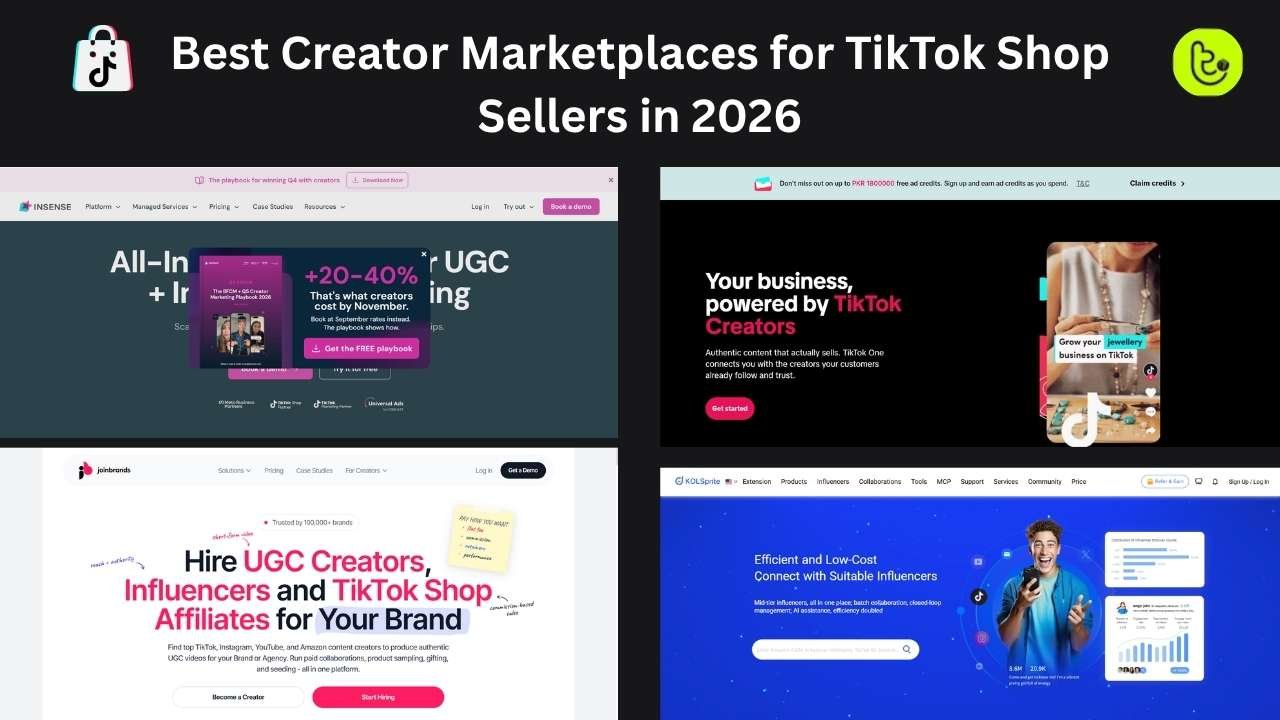
The Best Creator Marketplaces for TikTok Shop Sellers, Ranked
| Platform | Best for | Creator vetting | Model |
|---|---|---|---|
| TikTok One (TTCM) | First-party sourcing, free | Self-filtered by seller | Native platform tools |
| KOLSprite | Researching creators and content before outreach | Manual review supported by creator/content analytics | Discovery + research workspace |
| Insense | TikTok Shop + Spark Ads + product seeding in one flow | Vetted marketplace (70,000+ creators) | Content + affiliate hybrid |
| JoinBrands | High-volume, open marketplace | Level-based creator ratings | Escrow-based marketplace |
| Modash | End-to-end creator ops | Discovery + workflow + payments | Self-service platform |
| Upfluence | Ecommerce attribution | Store-integrated tracking | Performance-based |
| Grin / Aspire | Established DTC programs, ambassador models | Bring-your-own or curated | Enterprise creator ops |
| Tiksly (managed) | Sellers with limited internal bandwidth | Product- and audience-matched vetting | Managed agency partnership |
Top TikTok Shop Creator Marketplaces
Each platform takes a different approach to creator discovery, vetting, campaign management, and performance tracking. The right option depends on how much control, data access, and hands-on support a seller needs.
TikTok One
TikTok One is the mandatory starting point. TikTok Creator Marketplace was sunset as a standalone product in April 2025 and folded into TikTok One as a module, alongside Symphony AI creative tools and unified campaign reporting.
It’s free and gives direct access to TikTok’s first-party creator, GMV, and engagement data. Its main limitation is volume: with millions of eligible creators, manually filtering the database can make it difficult to consistently identify creators likely to convert for a specific product.
KOLSprite
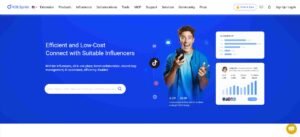
KOLSprite is a TikTok-native research tool built for discovering creators and content while browsing the platform, surfacing creator profiles, trending content, and engagement data so a seller can build a shortlist before reaching out.
It’s most useful for sellers who want to ground creator selection in actual content review rather than filters alone; it isn’t positioned around automated fraud detection, so sellers still need to do that verification themselves.
Insense
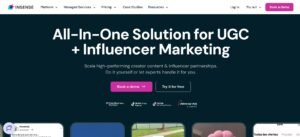
Insense combines a vetted creator marketplace, over 70,000 creators across 35+ countries, with product seeding, Spark Ads usage rights, and TikTok Shop affiliate management. This makes it useful for sellers who want UGC production and affiliate selling managed through the same workflow rather than separate tools.
JoinBrands
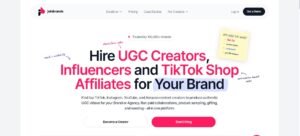
JoinBrands operates a large open creator marketplace with escrow-protected payments and a creator-leveling system. Its marketplace structure gives sellers access to a broad pool of creators, although content quality can vary more than within a highly curated pool.
Modash

Modash focuses on creator discovery and campaign workflow, letting brands manage the process from finding creators through to payments within one dashboard. It’s useful for brands that want sourcing, relationship management, and campaign operations kept in one place.
Upfluence
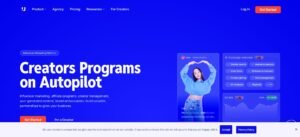
Upfluence focuses more heavily on creator attribution and sales tracking, connecting creator activity with store sales data to help brands understand how individual partnerships contribute to revenue.
Grin
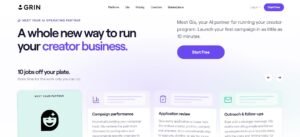
Grin is built for brands running structured, long-term creator and ambassador programs rather than one-off affiliate campaigns.
Aspire
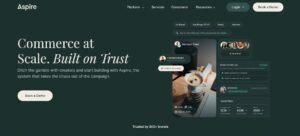
Aspire also focuses on long-term creator partnerships and ambassador programs, with tools for managing ongoing collaborations, though brands typically need internal resources to handle creator communication.
Managed Partners Like Tiksly
A TikTok Shop Official Creative Partner such as Tiksly takes a different approach: instead of giving sellers access to a larger or more filtered database, it handles creator filtering, vetting, and campaign management directly.
Tiksly’s vetting considers audience-to-product fit and short-form conversion style alongside engagement metrics, and product seeding serves as an initial testing phase before sellers commit to longer-term affiliate relationships, letting brands test creators and diversify their roster before scaling spend.
How to Choose the Right Marketplace for Your Store
Match the platform to the actual bottleneck, not the longest feature list:
- Need free, first-party access and have time to vet manually: TikTok One alone.
- Need a research workspace for reviewing creators and content before outreach: KOLSprite.
- Need UGC content and TikTok Shop affiliate management in one workflow: Insense.
- Need volume and are comfortable with an open marketplace: JoinBrands.
- Running a structured, long-term ambassador program with internal headcount to manage it: Grin or Aspire.
- Limited internal bandwidth, or a self-managed program that hasn’t produced consistent GMV: a managed partner, this is where a model like Tiksly’s vetting and campaign management fits.
Then pressure-test at scale: will the workflow still hold at 30-plus concurrent creator relationships, and does the platform track conversion rate and GMV per partnership, not just views, since those are the numbers that separate a working affiliate program from a vanity-metrics one.
How Tiksly Helps TikTok Shop Sellers Build a Durable Creator Program
As a TikTok Shop Official Creative Partner, Tiksly is built around the two failure points above: audience-fit vetting instead of follower-count filtering, and a diversified, seeded-then-scaled creator roster instead of a handful of hero partnerships. The team manages sourcing, product seeding, affiliate terms, and content systems together, so a seller isn’t stitching together a discovery tool, a payments platform, and manual reporting to run one program.
For sellers who’ve tried a self-serve marketplace and found the vetting and follow-up more time-consuming than expected, this is typically the point where a managed partnership becomes worth the higher per-relationship cost.
Conclusion
Choosing a creator marketplace for TikTok Shop depends on how much control, data, and campaign support your team needs. TikTok One provides free first-party access, while platforms such as Insense, Modash, JoinBrands, and Upfluence add different tools for creator discovery, campaign management, content, and attribution. Managed partners such as Tiksly take on more of the sourcing, vetting, and campaign workload.
For long-term results, sellers should look beyond follower counts and focus on audience fit, creator performance, conversion data, and a diversified creator roster. The right marketplace should support these priorities while keeping creator management practical as your TikTok Shop program grows.
Not sure which model fits your store, self-serve tool or managed partnership? Book a 1:1 consultation with the Tiksly team and get a creator strategy built around your product and current GMV.
FAQ
Is TikTok One free to use?
Yes. TikTok One (which absorbed the standalone TikTok Creator Marketplace in April 2025) is TikTok’s free, first-party tool for sourcing and managing creator partnerships. Third-party platforms and managed partners are paid add-ons on top of it, not replacements for it.
How many creators should a TikTok Shop affiliate program actually run?
There’s no fixed number TikTok publishes, but the underlying dynamic supports diversification: Momentum Works and Tabcut’s H1 2026 data shows most of the top-grossing US creators each period are new entrants rather than repeat names, which argues for a broader roster over a handful of fixed hero partnerships.
Does follower count predict how much a creator will sell? Not reliably. What is well documented is that engagement rate falls sharply as follower count rises, TikTok nano accounts average around 9.3% engagement versus under 2% for accounts over 1M followers, and engagement is a more direct signal of an active, responsive audience than raw follower count.
What’s the difference between a self-serve marketplace and a managed partner like Tiksly?
A self-serve marketplace gives the seller a filtered database and leaves vetting, briefing, and follow-up to them. A managed partner handles that sourcing and campaign management directly, delivering a shortlist of creators already matched to the product — trading a higher per-relationship cost for significantly less internal time spent.