 Ayesha Khan
Many TikTok Shop sellers assume that going viral with one product is the launchpad to long-term success. The truth is more sobering. Virality often exposes deep weaknesses in inventory management, creator strategy, customer retention, and content systems. The first viral hit generates attention, but sustainable growth demands repeatable, scalable processes.
This guide explains why sellers plateau after their initial viral success, what real sellers are discussing in communities like Reddit, and how brands can build a resilient TikTok Shop strategy. Whether you are just starting out or already experiencing a growth ceiling, the insights and frameworks here will help you move forward with clarity.
What Is a TikTok Shop Plateau and Why It Happens
A plateau is not just a slow week. It is a structural stall, a point where a seller’s revenue, engagement, and growth stop responding to effort. Understanding how this pattern develops is the first step to escaping it.
The Typical Growth Pattern
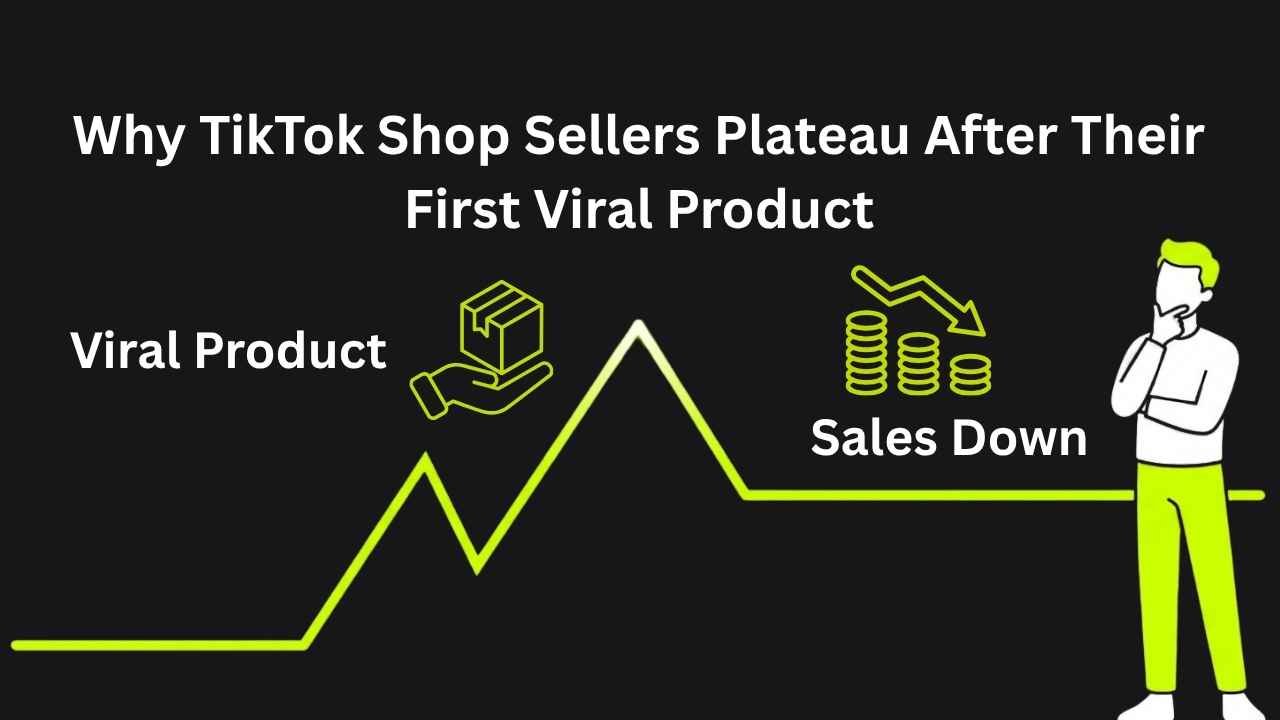
Most TikTok Shop sellers follow a predictable arc when a product first goes viral:
- The product appears in viral content, often through an affiliate or organic video.
- Orders spike rapidly, sometimes overwhelming inventory and operations.
- Revenue peaks within days or weeks of the viral event.
- Engagement begins to decline as the algorithm shifts attention.
- Sales stabilize at a lower level or drop sharply.
Why Virality Creates False Confidence
The surge in sales following a viral moment can feel like validation, proof that the product is strong and the market is ready.
But virality is often a function of temporary algorithm exposure, not organic demand. Factors that inflate early numbers include:
- Short-term algorithm amplification that is not guaranteed to repeat.
- Creator-driven demand that evaporates when that creator stops posting.
- Novelty-driven excitement from audiences who will not re-purchase.
- A lack of genuine data on long-term product demand or loyalty.
The real risk of going viral isn’t failure, it’s false confidence. I’ve seen sellers take a sudden spike as proof that everything is working, only to realize later it was just momentum, not stability. That early win can feel like a solid base, but it often isn’t, and when things slow down, it feels like the ground shifts under them.
Why TikTok Shop Sellers Plateau: The Core Reasons
Most sellers get a quick boost from a viral product, but once that initial wave settles, growth slows down because there’s no steady system behind creators, customers, and ongoing demand.
1. Overdependence on One Viral Product
Perhaps the most common reason for a plateau is single-product dependency. When one SKU drives 80–100% of revenue, any shift in algorithm behavior, trend cycles, or creator activity can collapse the entire business overnight.
This is especially common with:
- Beauty and skincare products, where trends rotate quickly.
- Home gadgets that satisfy a novelty-driven purchase and see low reorders.
- Seasonal items that spike once per year and then go dormant.
The fix is product portfolio expansion. Sellers who survive long-term add complementary products, create bundles that increase average order value, and run cross-selling campaigns to move customers from one SKU to another.
2. Content Fatigue Sets In Fast
TikTok is a content-hungry platform. What works this week may be completely invisible next week. Sellers who rely on recycling the same hooks, formats, and angles quickly see engagement collapse, and sales follow.
One of the most common complaints among TikTok Shop sellers is that their videos suddenly become stuck at 200 to 400 views after a period of strong performance. Many discussions on Reddit point to the same issue: creators continue posting, but the content no longer generates the engagement signals needed to earn wider distribution.
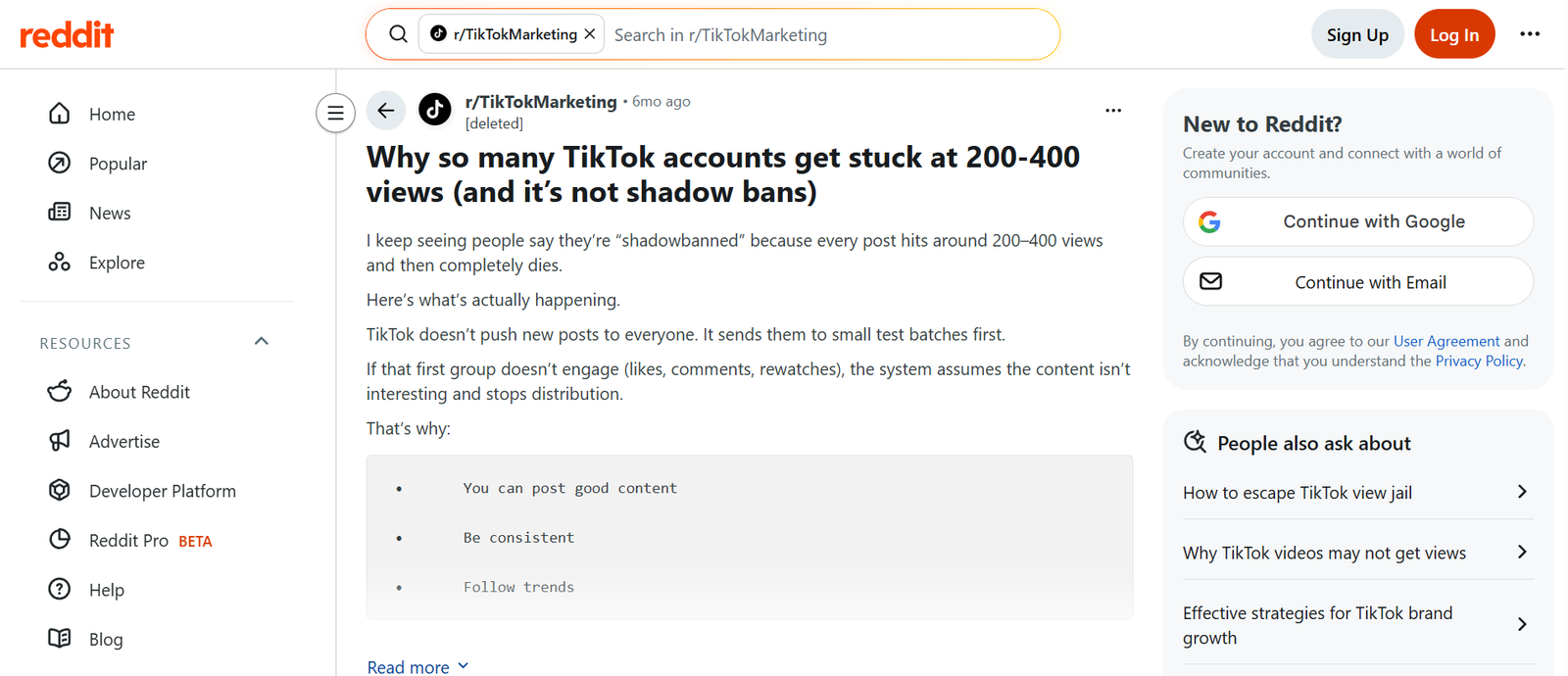
In most cases, this is not a platform penalty. It is a content fatigue problem. The same angles stop converting, audiences disengage, and creators lose enthusiasm. The solution is a structured creative testing framework with new hooks, fresh customer pain points, different video formats, and a rotating UGC system that keeps content feeling authentic and relevant.
Brands that consistently refresh their creative strategy are far more likely to maintain momentum than those relying on a single winning video formula. To address declining engagement, many use content creation services focused on structured testing and UGC variation rather than one-off video production.
3. Sellers Mistake Virality for Product-Market Fit
High view counts create misleading signals. A video with five million views does not mean five million people want to buy your product. It may mean five million people found the content entertaining, which is very different from purchase intent.
Products that see strong early traction often fail to sustain because the underlying business system never develops beyond discovery-based sales. The audience came to be entertained, not to become loyal customers.
Many sellers discussing post-viral slowdowns on Reddit describe a similar experience: a product generates thousands of orders during its viral moment, but sales drop sharply once traffic normalises. The initial success creates the impression of strong market demand, yet the business struggles because customers rarely return for a second purchase.
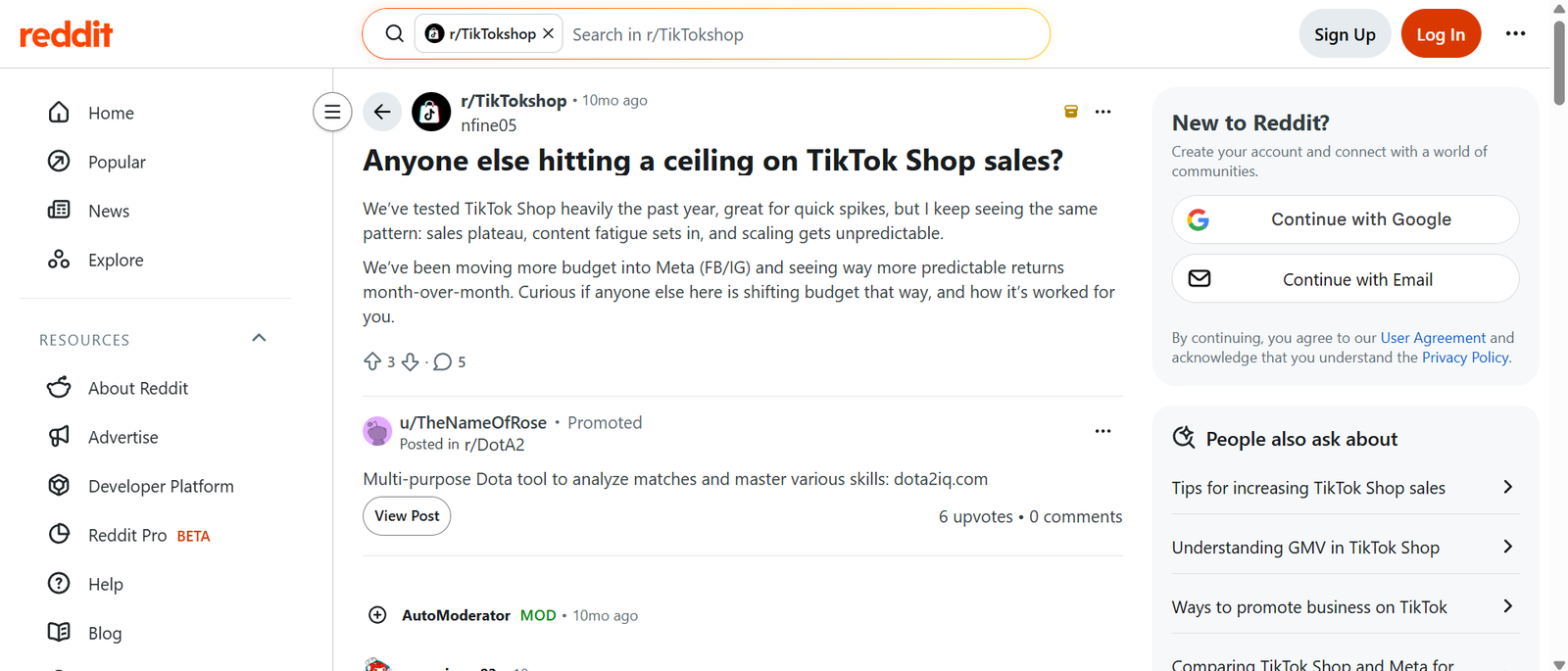
This highlights the difference between temporary attention and genuine product-market fit. Sellers who diagnose this problem early should immediately begin tracking repeat purchase rates, measuring retention across 30, 60, and 90-day windows, and calculating customer lifetime value. These metrics reveal whether you are building a real business or simply benefiting from a short-term trend.
4. Customer Retention Is Ignored
During a viral surge, nearly all seller attention goes to acquisition, reaching new customers, driving first purchases, and scaling creator output. Retention is almost universally ignored. This is a costly mistake.
While acquiring a new customer costs money and effort, a returning customer is essentially free margin. Brands that invest in the second and third purchase, rather than only chasing the first, build compounding revenue that does not depend on the next viral moment.
Community discussions among TikTok Shop sellers frequently reveal the same challenge. Many sellers report that sales fall dramatically once the viral wave passes because very few customers return to buy again. Without retention systems, every month starts from zero, forcing sellers to constantly chase new audiences and new viral opportunities.
Key metrics to track for retention health include:
- Repeat purchase rate (what percentage of customers buy again within 90 days)
- Customer lifetime value across 6 and 12-month windows
- Retention windows and repurchase behaviour
- Revenue generated from returning customers versus first-time buyers
5. Creator Concentration Risk
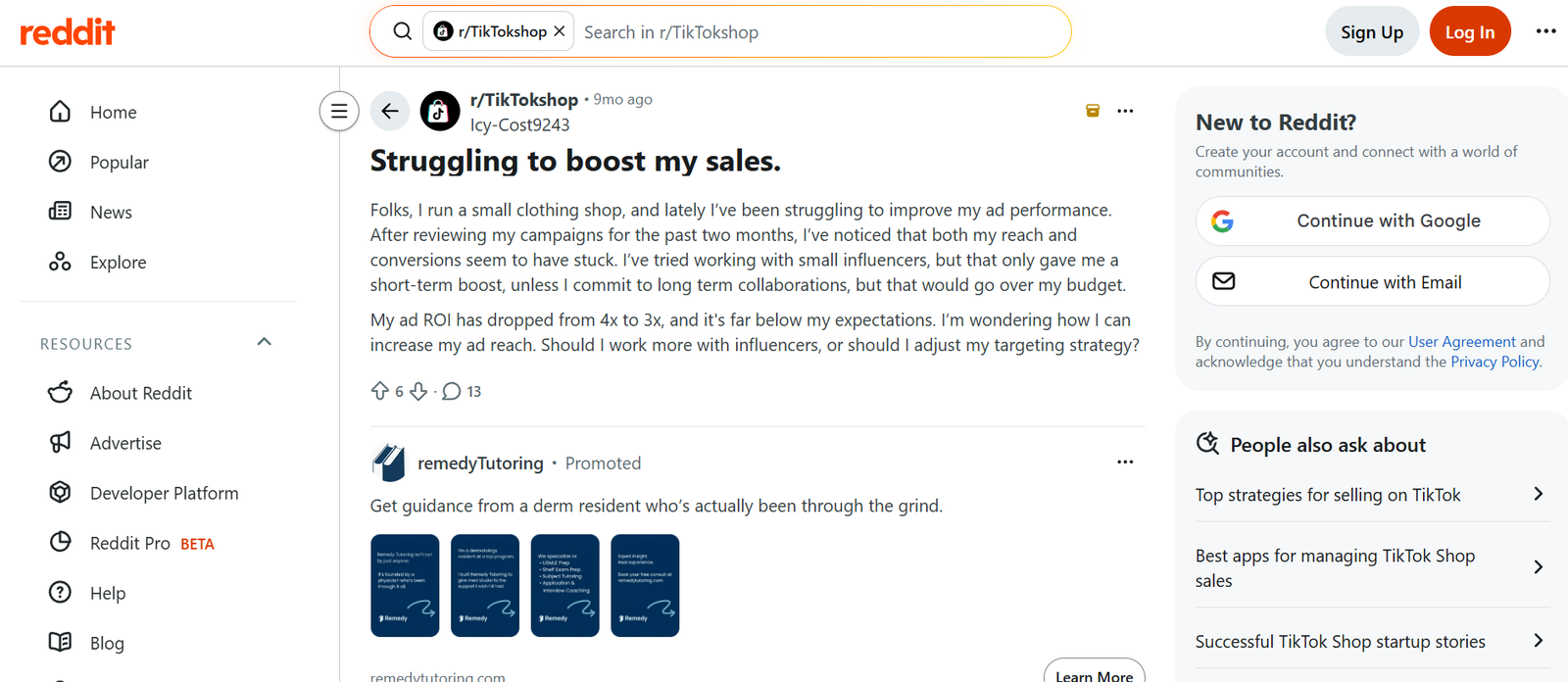
Many TikTok Shop sellers unknowingly build their entire revenue model around one or two affiliate creators. When that creator pivots to a new product, loses interest, or simply reduces their posting frequency, sales can collapse within days.
Warning signs include:
- More than 50% of revenue is attributed to a single affiliate creator.
- No active creator outreach or recruitment pipeline in place.
- Limited diversity in content styles, niches, or audience demographics.
The solution is to treat creator recruitment like a continuous sales process. Set weekly outreach targets, build a pipeline of micro-creators, and actively test multiple content styles so that no single person holds your business hostage.
6. Inventory and Fulfillment Break During Viral Surges
Operational failure during a viral moment can be just as damaging as a lack of demand. Stockouts, late dispatches, and order cancellations during peak periods not only lose you immediate sales, they damage your shop’s reputation and invite TikTok Shop penalties.
Many sellers struggle with inventory forecasting after viral spikes. By the time they restock, the algorithm has moved on and their shop has received negative performance flags.
The path forward involves demand forecasting based on content schedules, maintaining safety stock for products receiving active creator attention, and diversifying suppliers to reduce lead times.
7. TikTok Shop Has Become More Competitive
The window for easy organic growth on TikTok Shop is narrowing. As more sellers enter the platform, more creators become affiliates, and TikTok’s advertising ecosystem matures, the days of effortless viral exposure are becoming increasingly rare.
This shift is reflected in seller communities, where discussions increasingly focus on whether TikTok Shop is still worth pursuing as a growth channel. The concern is understandable. Many sellers compare current performance with the platform’s earlier days and find it harder to generate the same level of organic reach.
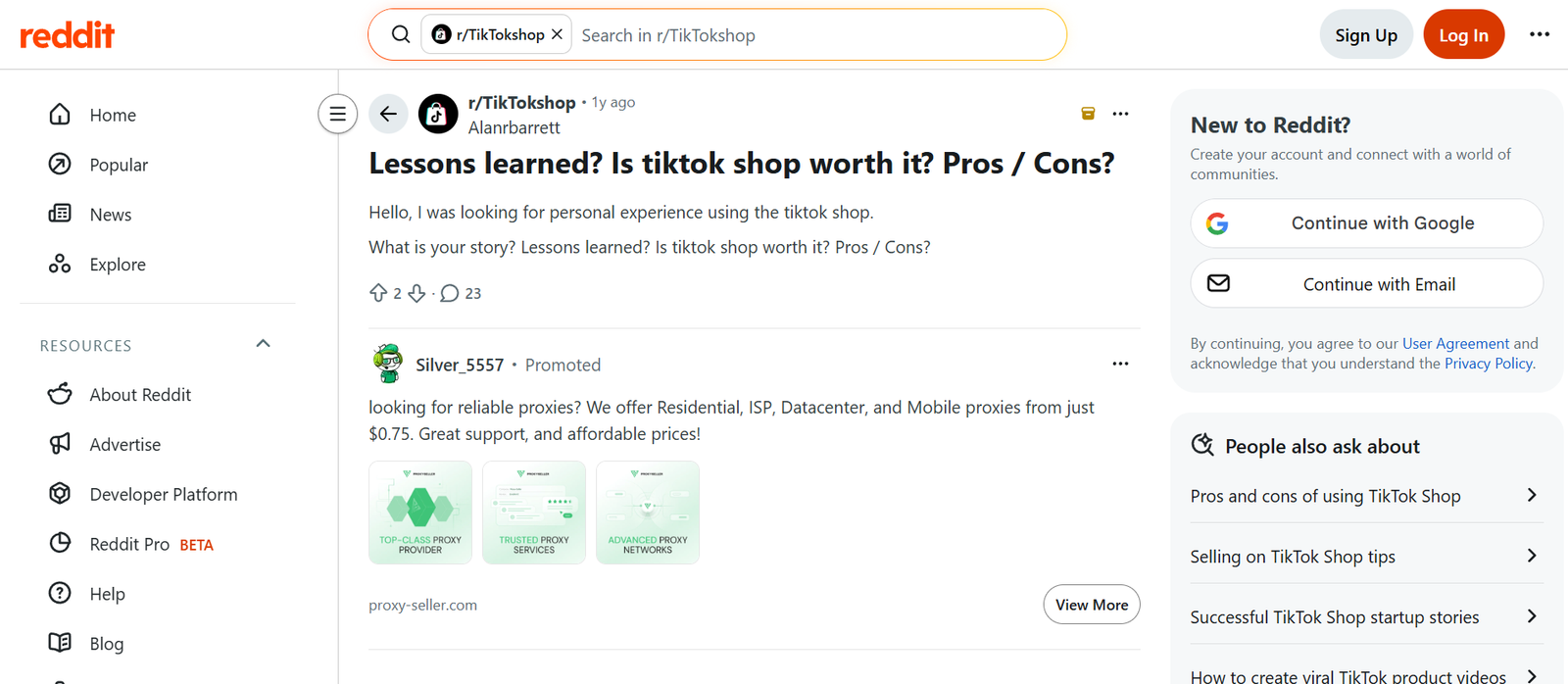
The reality is that TikTok Shop remains a powerful opportunity, but the rules have changed. Success is no longer driven by luck or a single viral product. The sellers achieving sustainable growth are investing in creator recruitment, content testing, retention strategies, paid amplification, and cross-channel marketing.
Brands that treat organic reach as their only growth engine are far more vulnerable to plateaus. Those building diversified traffic sources, including email, SMS, paid media, and creator partnerships, are better positioned for long-term success.
Viral Product Seller vs. Sustainable TikTok Shop Brand
The difference between a seller who peaks and fades and one who scales for years comes down to a fundamental strategic choice: chasing the next viral moment versus building an operational system.
Viral Product Seller | Sustainable Brand |
|---|---|
One winning product | Multiple products with a portfolio strategy |
One creator driving sales | Diversified creator network |
Short-term revenue spikes | Consistent, predictable revenue streams |
Algorithm dependence | Brand demand and loyal customer base |
Transaction focus | Customer retention and lifetime value focus |
Reactive strategy | Proactive, systemized growth engine |
Warning Signs Your TikTok Shop Is About to Plateau
If you recognise any of the following patterns, your growth ceiling is likely approaching:
- Revenue depends on a single product with no complementary SKUs.
- Sales correlate directly with one or two creators’ posting schedules.
- Repeat purchase rates are below 10% in a 90-day window.
- New content consistently underperforms content from three months ago.
- Inventory issues have appeared more than once in the past 90 days.
- Growth stops when your current viral wave subsides.
The sooner you address these signals, the less painful the plateau will be.
Step-by-Step Framework to Fix a TikTok Shop Plateau
If your TikTok Shop growth has stalled, the following six-step framework provides a structured path forward. Each step builds on the previous one, moving you from diagnosis to sustainable scale.
Step 1: Audit Your Revenue Sources
Before making any changes, understand where your current revenue comes from. Map your:
- Product concentration: Is one SKU driving more than 60% of sales?
- Creator concentration: Is one affiliate generating the majority of revenue?
- Traffic concentration: Is organic TikTok your only meaningful traffic source?
This audit will reveal the fragility in your current model and prioritize where to act first.
Step 2: Expand Your Product Ecosystem
Once you have a validated hero product, build around it. Add complementary products that naturally pair with your bestseller. Create bundles that increase average order value. Design cross-selling campaigns that introduce customers to your broader range during the post-purchase experience.
Step 3: Build a Creator Acquisition System
Creator recruitment should be a weekly operational process, not a one-time effort. Set weekly outreach targets, build a tiered affiliate program, and actively test creators across different niches and audience demographics. Track performance rigorously and double down on creators who consistently convert.
To avoid overdependence on a single creator, many brands rely on influencer outreach services to build a consistent pipeline of new partnerships.
Step 4: Refresh Creative Continuously
Establish a structured content testing calendar. Every week, test at least two to three new hooks, one new format variation, and one new customer angle. Analyse which combinations drive the highest view-to-purchase conversion and systematically retire underperforming templates.
Step 5: Improve Customer Retention
Capture customer data at every opportunity, email, SMS, loyalty program sign-ups. Build automated post-purchase sequences that encourage the second purchase. Introduce a simple loyalty mechanic that rewards repeat behaviour. The goal is to make every first-time buyer a recurring revenue source.
Step 6: Diversify Your Traffic Sources
Reduce your dependence on TikTok organic by building complementary channels. TikTok Ads allow you to amplify winning organic content. Meta Ads extend your reach beyond TikTok’s audience. Influencer campaigns on YouTube Shorts or Instagram Reels create cross-platform brand demand. Owned channels, email and SMS lists, provide a traffic source that TikTok’s algorithm cannot take away.
What Separates Scaling Brands From One-Hit Sellers
After working with dozens of TikTok Shop brands, several consistent patterns emerge that distinguish sellers who scale sustainably from those who peak and fade:
- Sustainable growth comes from systems. The brands that scale repeatedly are not the most creative or the luckiest, they are the most operational.
- Repeat customers matter more than viral views. A customer who buys three times is worth more than one who buys once from a viral video.
- Creator diversification reduces existential risk. No brand should have a single creator holding 50% of its revenue.
- Operational excellence supports growth. Fulfilment, inventory, and platform compliance are not back-office concerns, they are growth levers.
- Consistent testing outperforms occasional viral wins. The brands winning in 2026 are running hundreds of content tests, not waiting for lightning to strike twice.
Why Most Sellers Plateau After Going Viral
The real issue isn’t the viral moment itself, it’s what happens after it fades. When content performance normalizes, most sellers realize there is no system connecting their content, creators, and customers into a continuous flow. Growth doesn’t pause because demand disappears, it slows because nothing is structured to carry it forward.
That gap between attention and sustained performance is where most sellers get stuck. Fixing it requires more than individual tactics. It comes down to building a system that connects content, creators, and customers into one loop.
How Tiksly Helps Brands Stabilize Growth
At Tiksly, we focus on turning scattered activity into a structured growth system.
Instead of chasing one viral video or relying on a single creator, we build repeatable mechanics that support ongoing growth:
- Structured creator pipeline instead of random affiliate outreach
- Continuous content testing to identify repeatable winning formats
- Basic retention setup to turn first-time buyers into repeat customers
- Clear revenue breakdown to highlight dependence on single products or creators
What Makes Us Different
Most TikTok support focuses on producing more content or finding more creators.
We focus on what happens after the spike.
Conclusion
A viral product can create strong early momentum, but it rarely builds lasting growth on its own. Once attention settles, what matters is whether there is a system in place to carry that momentum forward.
TikTok Shop rewards structure, not isolated wins. Brands that build around product variety, creator diversity, consistent content testing, and retention are far more likely to sustain performance after the first spike. Without that foundation, growth tends to stall once the initial wave passes.
Long-term success comes from building something that continues to work beyond a single moment of attention.
Ready to Build Beyond One Viral Moment?
If your TikTok Shop has already seen a spike but growth has started to slow, the issue usually isn’t the product, it’s the lack of structure behind it.
Tiksly helps brands turn that one-time attention into a repeatable growth system built around creators, content testing, and retention.
Book a free 1:1 consultation with Tiksly experts
FAQs
Q: Why do TikTok Shop sales drop after a viral product?
A: Most sellers rely on temporary algorithm exposure and fail to build repeatable acquisition and retention systems. When the algorithm moves on, there is no infrastructure to sustain demand, and sales decline.
Q: How long does a TikTok Shop viral product usually last?
A: Most viral products perform strongly for a few days to a few weeks before demand and engagement begin to drop. The timeline depends on product type, trend speed, and creator activity.
Q: How can I prevent my TikTok Shop from plateauing?
A: Diversify your product range, recruit more creators, improve retention, and continuously test new content formats and hooks. Build operational systems before the next spike arrives.
Q: What is the biggest mistake TikTok Shop sellers make after going viral?
A: Assuming virality alone will sustain growth without building the systems needed to turn attention into long-term customers.
Q: Does TikTok Shop still offer organic growth opportunities?
A: Yes, but competition is higher than before. Consistent creative testing, strong product-creator fit, and a structured affiliate system are now essential for meaningful organic reach.
Q: How can agencies like Tiksly help TikTok Shop brands?
A: Tiksly helps brands scale creator programs, improve content performance, optimise conversions, and build systems that support long-term, repeatable growth.