 Ahmad Amin
In a world where every scroll feels packed with polished ads and corporate messaging, one force continues to cut through the noise: user-generated content (UGC). Far from being a passing trend, UGC has reshaped how brands build trust and spark conversations with their audience.
So, what exactly is it?
At its core, UGC is content created by everyday people rather than the brand itself. Think of the unboxing videos you stumble upon on TikTok, the rave reviews left on a product page, or the Instagram photo of someone proudly wearing their latest purchase. These are not staged commercials but authentic moments that feel more like a recommendation from a friend than a marketing pitch.
And that’s where the real power lies in authenticity. While traditional ads can feel scripted, UGC carries credibility because it comes directly from peers.
The numbers back it up too: consumers are 2.4 times more likely to engage with user-generated content than with brand-created posts. Even more telling, 92% of consumers say they trust UGC over traditional advertising, and 85% find it more authentic and influential than anything a brand could create on its own.
For businesses, this means UGC isn’t just a nice-to-have, it’s a strategic advantage. It builds credibility, drives conversions, and forges a connection that feels real. In an online environment where trust is everything, UGC is more than content. It’s a priceless bridge between brands and the people they serve.
The New Professionals: Who Are UGC Creators?
While much user-generated content happens naturally, a new kind of professional has stepped in to meet brands’ growing appetite for authentic content: the UGC Creator.
Unlike traditional influencers, UGC creators don’t rely on a massive following. Instead, they specialize in producing content including videos, photos, reviews, tutorials, that looks and feels like genuine customer experiences. Their work highlights product benefits, shows real-life usage, and maintains that unpolished, relatable aesthetic people trust.
What makes this role unique is the shift in value. A UGC creator’s worth isn’t tied to audience size but to the quality and authenticity of the content they deliver. This makes them a cost-effective option for brands that need a steady stream of fresh material. Many work on a flat fee basis or accept products as payment, with the content designed for brands to use across ads, websites, and social channels.
This professionalization of UGC reflects a major shift in digital marketing, where influence comes not from followers, but from creating content that feels real and resonates.
Audience vs. Asset: How UGC Creators Differ from Influencers
The line between UGC creators and influencers can seem blurry, but the difference is critical in understanding today’s creator economy.
For influencers, the value lies in their audience. Brands partner with them to tap into their reach and credibility, paying for access to their followers. The influencer’s content lives on their own feed, and the brand’s investment is essentially in visibility. For brands looking to execute this kind of audience-driven strategy, a managed influencer outreach service can handle the complex logistics of finding, vetting, and contracting the right talent.
UGC creators, on the other hand, bring value through the content itself. Their photos and videos are designed for the brand’s use, whether on websites, social media, or paid ads. Unlike influencers, they don’t need to post on their own accounts. Their role is to provide authentic, relatable content that brands can repurpose across channels.
This difference also shows up in pricing. Influencer rates are tied to follower counts, while UGC creators charge based on deliverables—the number of photos, videos, or reviews produced. For brands, this shift is significant. Instead of paying high fees for a single influencer post, they can invest in a steady flow of professional yet authentic-looking content at a fraction of the cost.
The rise of UGC creators addresses two major brand challenges: the expense of influencer partnerships and the constant demand for fresh content. Traditional in-house production is costly and slow, and influencers with large followings can be prohibitively expensive. UGC creators solve both issues, offering scalable, affordable, and authentic content that keeps brands visible and relevant.
In short, influencers sell access to an audience, while UGC creators sell content as an asset. Both have their place, but UGC creators have carved out a new role that is transforming digital marketing strategies.
The Strategic Value Proposition of UGC Platforms
To understand their impact, it helps to break down how these platforms create value for both brands and creators across different dimensions.
For Brands: Building Trust, Boosting Conversions, and Scaling Content
UGC creator platforms aren’t just tools, they’re strategic partners for brands looking to turn authentic customer stories into powerful marketing assets. They deliver value in three core areas:
- Building Trust and Authenticity
Consumers crave transparency, and UGC delivers it. Unlike polished ads, content from real people feels genuine, creating emotional connections and a sense of community around a brand. It’s no surprise that 92% of consumers trust UGC more than traditional advertising when making purchase decisions. - Boosting Conversions and Engagement
Authenticity doesn’t just build trust—it drives results. UGC generates up to 4 times more engagement than brand content, while product pages featuring visual UGC can see conversions rise by as much as 90%. Real stories help potential buyers picture themselves using a product, making them more likely to purchase. - Scaling Content Production
Producing fresh, high-quality content is a constant challenge for in-house teams. UGC platforms solve this by offering a scalable and cost-effective way to source diverse photos, videos, and reviews. This not only eases pressure on marketing teams but also supplies a steady stream of reusable assets for websites, ads, emails, and social media campaigns.
Beyond engagement and conversions, UGC also supports SEO growth. Search engines favor fresh, authentic content like reviews and comments, especially when users naturally include long-tail keywords. This helps brands rank higher with minimal extra effort, while increased on-page activity boosts visibility even further.
For brands, UGC platforms are more than a marketing shortcut, they’re a sustainable way to build trust, drive sales, and create long-term growth.
For Creators: Monetizing Passion and Building a Career
The rise of UGC platforms has opened a new path for creators, making content creation more accessible and merit-based. Instead of chasing massive followings, creators can now earn from their skills alone.
- Monetization Without Influence
On UGC platforms, quality matters more than followers. If a creator can produce authentic, engaging videos or images, they can get paid—sometimes hundreds of dollars for a single short video. This levels the playing field and provides a clear way to earn from creativity. - Flexibility and Autonomy
Creators can set their own rates, choose projects, and work on their own terms. With platforms handling payments, logistics, and usage rights, creators are free to focus on producing content. This makes UGC work a practical option for side hustlers, students, or full-time freelancers. - Building a Portfolio and Stable Income
Each project doubles as both income and portfolio material. Many successful creators move from one-off gigs to monthly retainers, offering brands consistent content while securing predictable earnings for themselves. This model creates sustainability for both sides.
The relationship is symbiotic: brands get authentic, scalable content, and creators gain a career path that values skill over follower count. Unlike influencer marketing—where only a few mega-creators dominate, UGC platforms foster an equitable ecosystem that rewards creativity and opens new revenue streams for a wider range of talent.
Navigating the UGC Platform Landscape
Exploring the different types of platforms helps brands understand how to effectively source, manage, and scale authentic content
An Ecosystem of Solutions: Understanding Different Platform Models
The UGC platform landscape isn’t one-size-fits-all. Different models serve different needs, and knowing the distinctions helps brands choose the right tool for their strategy.
- Marketplace Platforms
These function like digital marketplaces where brands post campaign briefs and creators apply for gigs. Platforms such as Collabstr let creators set up profiles, list services, and define rates. This model works well for small brands with one-off content needs and for new creators looking to build their portfolios. - Curated Campaign Briefs
Instead of open bidding, these platforms streamline the process by curating matches between brands and vetted creators. After submitting a creative brief, brands are paired with pre-screened talent through technology or platform teams. Solutions like Billo, Insense, and Trend are designed for brands that want to scale content quickly while reducing the risk of mismatched partnerships. - Integrated Relationship Management Systems
These enterprise-level platforms go beyond content delivery, offering end-to-end workflow management. From discovery and approvals to payments and analytics, tools like Cohley and Grin provide a comprehensive system. They’re best suited for mid-market and enterprise brands that need UGC integrated across e-commerce, social campaigns, and long-term strategy.
Together, these models form a diverse ecosystem where brands can choose between flexibility, efficiency, or full-scale management—depending on their goals and resources.
A Detailed Look: Comparative Analysis of Key Platforms
To better understand the UGC platform landscape, let’s break down the strengths of some leading players:
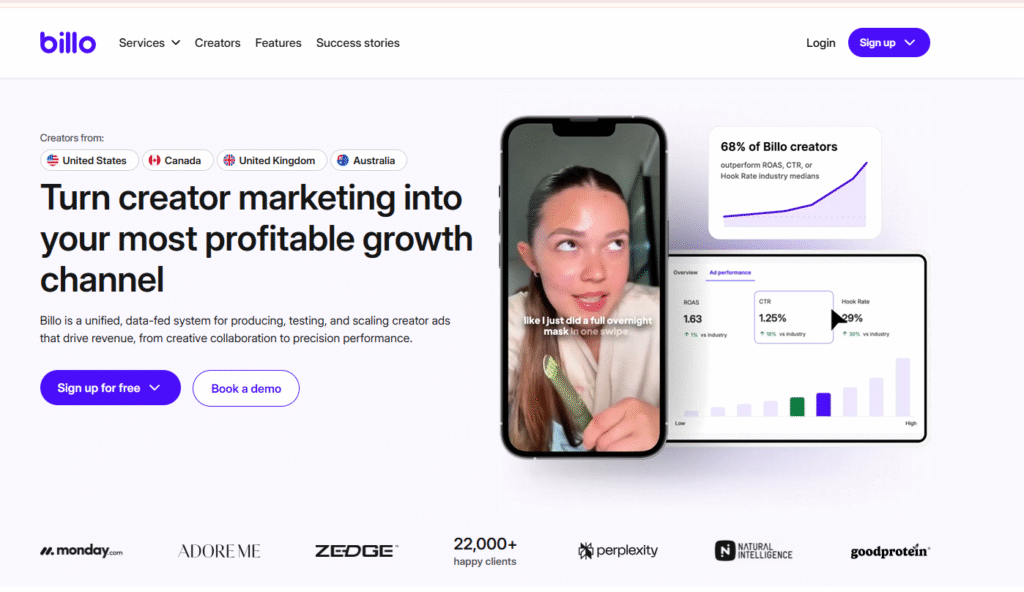
Billo
A self-service platform built for speed, Billo focuses on short-form UGC video. Brands can quickly source TikTok- and Instagram-ready ads, powered by an AI system that matches creators to products and draws insights from a database of 150,000+ ads. It’s ideal for brands that need fast, performance-driven video content.
Cohley
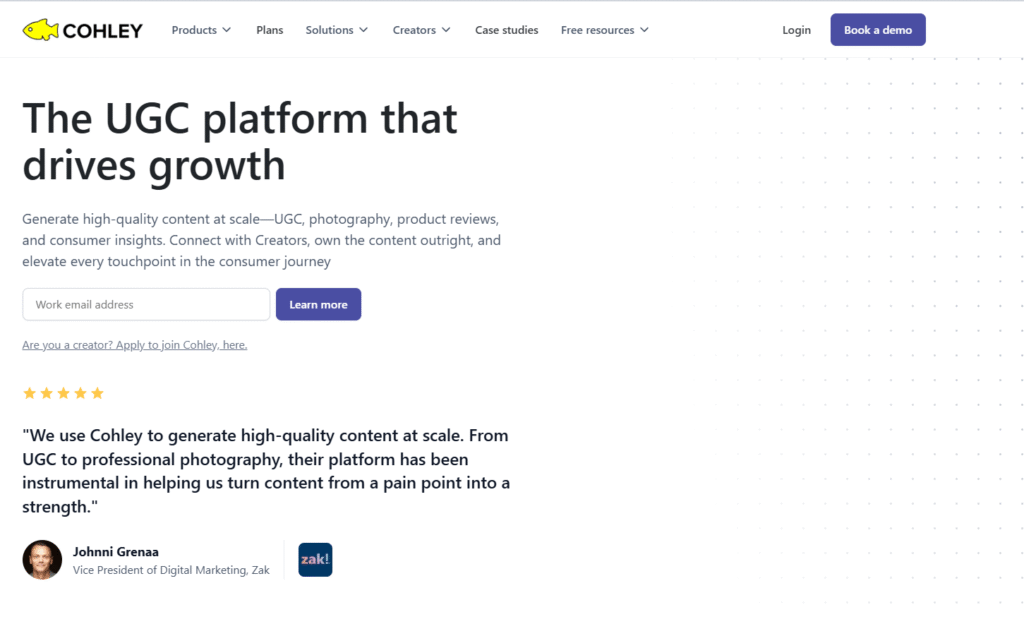
Cohley caters to mid-market and enterprise brands with a fully managed approach. It supports multiple content formats—UGC video, photos, and reviews—and combines AI-driven discovery with strategic guidance. Its value lies in scalability, making it a go-to option for brands seeking a comprehensive, end-to-end content solution.
Insense
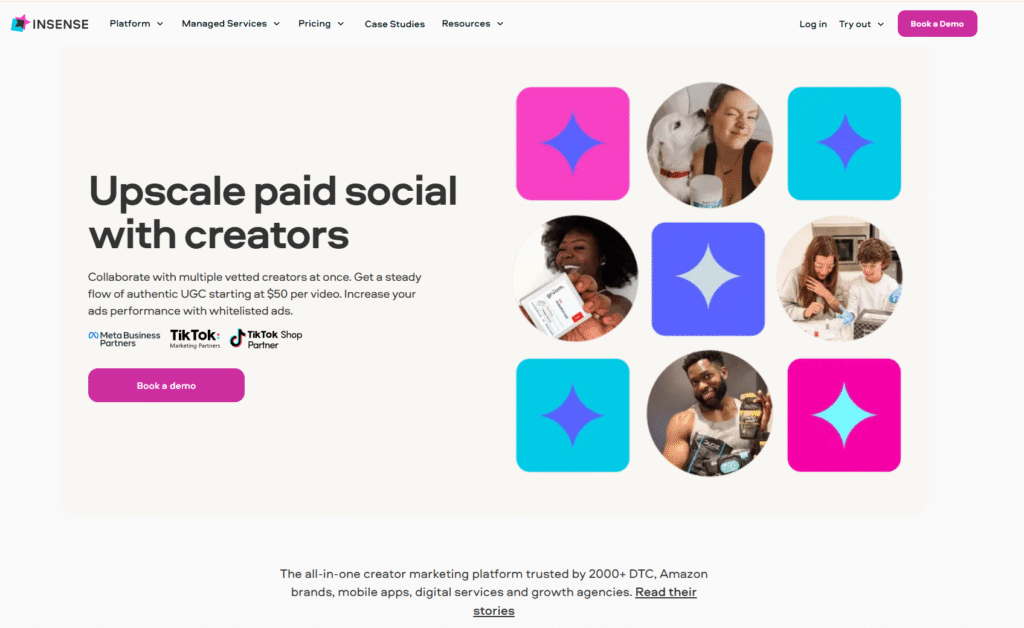
Designed with smaller brands in mind, Insense offers affordable UGC video at scale. The platform simplifies the process—brief creation, creator matching, and content delivery happen in one place. With features for organic posting and whitelisted ads, it’s especially useful for brands focused on social campaigns.
Trend
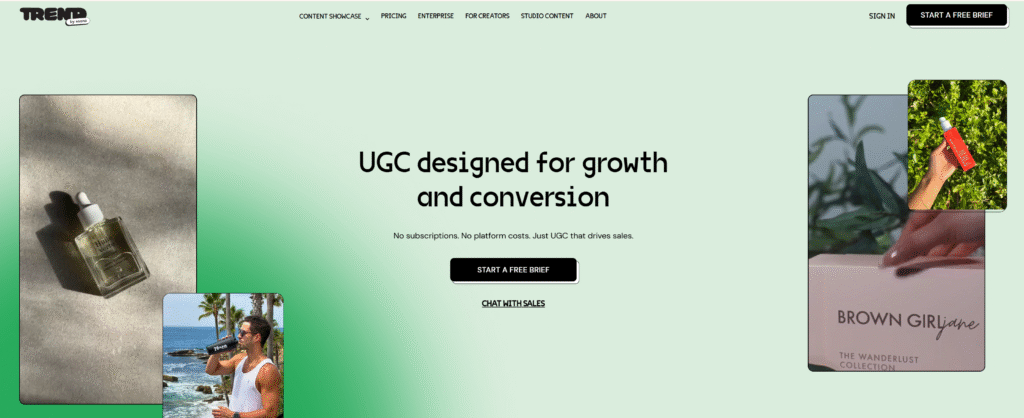
Known for its transparent, flat-rate pricing, Trend allows brands to post briefs for free and only pay for the creators they choose. All usage rights are included in the flat fee, which streamlines collaboration. This model is particularly attractive to brands looking for diverse, original content without the hassle of negotiations.
The following table provides a succinct overview of these platform types and their features:
Platform Name | Primary Use Case | Target User | Content Variety | Key Features |
|---|---|---|---|---|
Billo | Self-service UGC Video | Brands seeking low-cost video on a short timeline | UGC Video, UGC Photos, Video Reviews | AI-powered creator matching, data-backed briefs, effortless production |
Cohley | Managed Services & Enterprise Solutions | Mid-market & enterprise brands needing a comprehensive solution | UGC Video, UGC Photos, Professional Photos, Reviews | Elite customer support, expert strategic guidance, full content rights in perpetuity |
Insense | Low-cost, quick UGC Video | Small brands supplementing existing content efforts | UGC Video, UGC Photos, Video Reviews | Creator matching, centralized chat, automatically generated payments and contracts |
Trend | Flat-rate UGC Video & Photo | Brands seeking low-cost UGC video to supplement efforts | UGC Video, UGC Photos, Professional Photos | Flat-rate creator credits, built-in licensing, intuitive platform UI, no creator negotiations |
This comparative analysis demonstrates how the UGC platform ecosystem is designed to meet a spectrum of needs, from small-scale, project-based content acquisition to full-service, enterprise-level content operations. This strategic diversity is a core driver of the UGC economy’s rapid growth.
The Business Behind the Authenticity
Understanding how creators are compensated sheds light on the real value of authentic, user-generated content.
The Price of Creativity: Understanding Creator Compensation
UGC creator pricing works very differently from influencer rates. Instead of charging for audience size or reach, creators are paid for the deliverables they produce. A short-form video typically ranges from $50 to $200, but costs rise depending on complexity, creator experience, and the brand’s expected ROI.
Specialized content—such as videos requiring advanced editing, research, or niche skills—commands higher fees. Rates also shift with format; a YouTube video will generally cost more than a TikTok clip. Many creators offer bundled packages, giving brands a continuous stream of content at a slightly reduced per-video cost. This deliverable-based model ties payment directly to the creative value, not follower count.
More Than Just a Fee: Footage, Usage Rights, and Retainers
Compensation often extends beyond the base project rate. Creators can increase earnings through upsells, such as:
- Raw footage (typically 30–50% added to the base rate)
- Whitelisting/Spark Ads, which let brands run ads directly from a creator’s account
- Usage rights, where perpetual licensing is either included (as with Trend) or charged as an additional 30–50%
While some argue against charging separately for usage rights to avoid losing deals, most agree that clear communication here is essential for professional partnerships.
The real long-term opportunity lies in retainers. Instead of chasing one-off gigs, successful creators pitch ongoing packages that guarantee brands a steady flow of content while securing stable monthly income for themselves. This shift—from freelancer to business partner—marks the evolution of UGC from side hustle to sustainable career.
The table below provides a sample of typical rates and pricing factors for UGC creators, derived from industry data:
Content Type / Service | Average Rate | Median Rate | Key Considerations & Notes |
|---|---|---|---|
9:16 Vertical Video (15-60 seconds) | $212 | $150 | Standard length for social media platforms. Prices vary based on complexity, skill, and niche |
UGC Bundle Rate (e.g., 5 Videos) | $170 per video | N/A | Typically offered at a 19% discount to encourage bulk purchases |
Additional Hook/CTA Variation | $50 per variation | N/A | A simple way to add value and support A/B testing for brands |
Raw Footage Access | 30-50% of Base Rate | N/A | An additional fee for unedited content, which brands use to create their own ad variations |
Usage Rights (Perpetuity) | 30-50% of Base Rate | N/A | An additional charge for commercial use, which protects the brand from legal issues |
Whitelisting / Spark Ads | 30% of Base Rate | N/A | The fee for promotional rights to run ads from the creator’s account |
If you’re inspired by the power of UGC, check out our guide on How to Become a UGC Creator to start building your own career in content creation
Securing Your Goldmine: Rights Management and Legal Best Practices for Brands
The value of strong content drops if a brand cannot legally use it. UGC platforms simplify this by centralizing rights management. They automate legal consent through features like bulk rights requests, customizable with a brand’s logo and message to improve approval rates. Once granted, content is stored in an asset library with rights status clearly attached, making it easy to repurpose across websites, ads, print, and more.
Without these tools, brands face the burden of chasing creators, negotiating permissions, and handling paperwork—a slow, risky process. Platforms remove this friction, creating trust and professionalism that encourage creators to grant rights. This lets brands shift from admin tasks to strategic content use, ultimately boosting ROI.
The Future of UGC: Trends, Technology, and Trajectories
Emerging trends and technologies are redefining how brands leverage user-generated content and how creators engage audiences.
The Short-Form Video Renaissance
TikTok is reshaping UGC with its rapid growth toward 2 billion monthly users. Its algorithm favors raw, relatable content—unboxing clips, tutorials, and testimonials, that aligns with UGC’s authentic nature. Brands are commissioning creators for TikTok and then repurposing content for Instagram Reels and paid ads, making short-form video a vital channel for natural engagement. Often, the most successful campaigns start with influencer partnerships to seed trends and then use UGC creators to scale the winning content concepts across paid channels.
AI’s Double-Edged Sword
Generative AI brings efficiency and risk. It streamlines ideation, editing, and personalization, but it threatens the authenticity that makes UGC impactful. While AI-generated content will likely flood the market as cheap and scalable, human-made content will stand out as a premium asset valued for trust, emotional resonance, and relationship-building. The future may split between AI-driven volume and creator-driven authenticity.
From Gigs to Growth
Brand-creator collaborations are moving from one-off projects to long-term partnerships. Brands gain consistent, authentic content while creators build stable income by positioning themselves as strategic partners rather than one-off vendors. This shift reflects a maturing creator economy focused on sustainable growth over quick gigs.
Case Studies in Authenticity: Brands Doing UGC Right
Some of the most memorable UGC campaigns demonstrate how authenticity fuels brand growth:
- Coca-Cola’s “Share a Coke”
By printing names on bottles, Coca-Cola turned its product into a personal experience. Customers shared photos online, creating a viral conversation and proving that even a global brand can feel personal. - IKEA’s #IKEAAtMine
IKEA asked customers to share photos of their homes featuring IKEA furniture. This not only showcased products in real-life settings but also delivered a 27% higher reach and 2.7x more engagement than branded content. - Apple’s #ShotOnIphone
Apple restored consumer confidence by encouraging users to share unedited iPhone photos. Billions of impressions later, the campaign became a global showcase of the phone’s camera quality. - Starbucks’ “White Cup Contest”
Starbucks invited customers to decorate its iconic white cups and share the designs. The result was a flood of creative content and a stronger sense of community among fans.
From Community to Commerce: UGC That Drives Sales
Beyond viral buzz, many brands use UGC to fuel long-term growth and direct sales:
- LEGO Ideas
Through its co-creation platform, LEGO invites fans to design and vote on new sets. This guarantees product-market fit and builds a community that’s deeply invested in every release. - Amazon & Sephora
Amazon relies on verified customer reviews, while Sephora curates community-driven content. Both make UGC central to the shopping experience, proving that peer voices drive trust and purchase decisions. - Warby Parker
By sharing customer photos in marketing emails and on social media, Warby Parker highlights real experiences. This authentic social proof turns everyday customers into advocates and directly influences sales.
Conclusion
The rise of UGC creator platforms marks a major shift in digital marketing. They give brands a cost-effective way to source authentic, engaging content without the high costs of traditional production or influencer partnerships, while also streamlining tasks like rights management.
For creators, these platforms open the door to sustainable careers built on skill and creativity rather than follower count. Success comes from producing high-quality content, securing retainers, and offering strategic upsells that turn freelancing into a steady business.
Looking ahead, the balance between authenticity and AI will define this space. As automation expands, genuine human storytelling will become even more valuable. The platforms that thrive will be those that combine technological efficiency with authentic human voices at the heart of their content.
Whether you’re a creator or a brand, Tiksly can help you amplify your presence on TikTok. As a TikTok Shop agency, we connect your brand with the right influencers who align with your voice and values, helping you boost engagement, reach your ideal audience, and increase sales. Book your 1:1 TikTok Shop free consultation today!