 Ayesha Khan
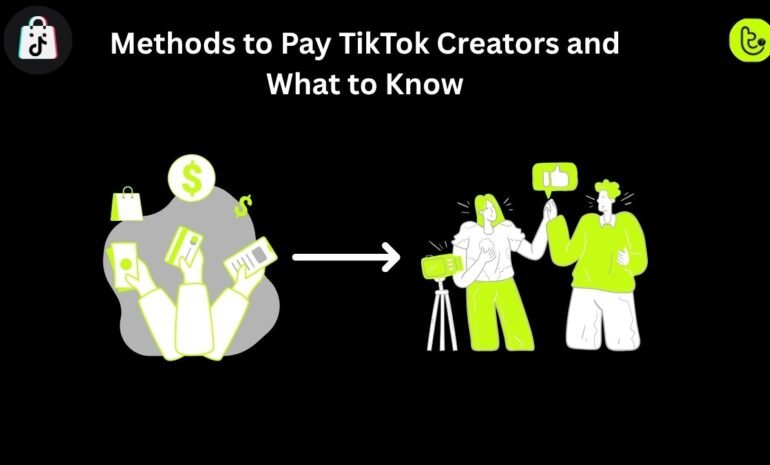
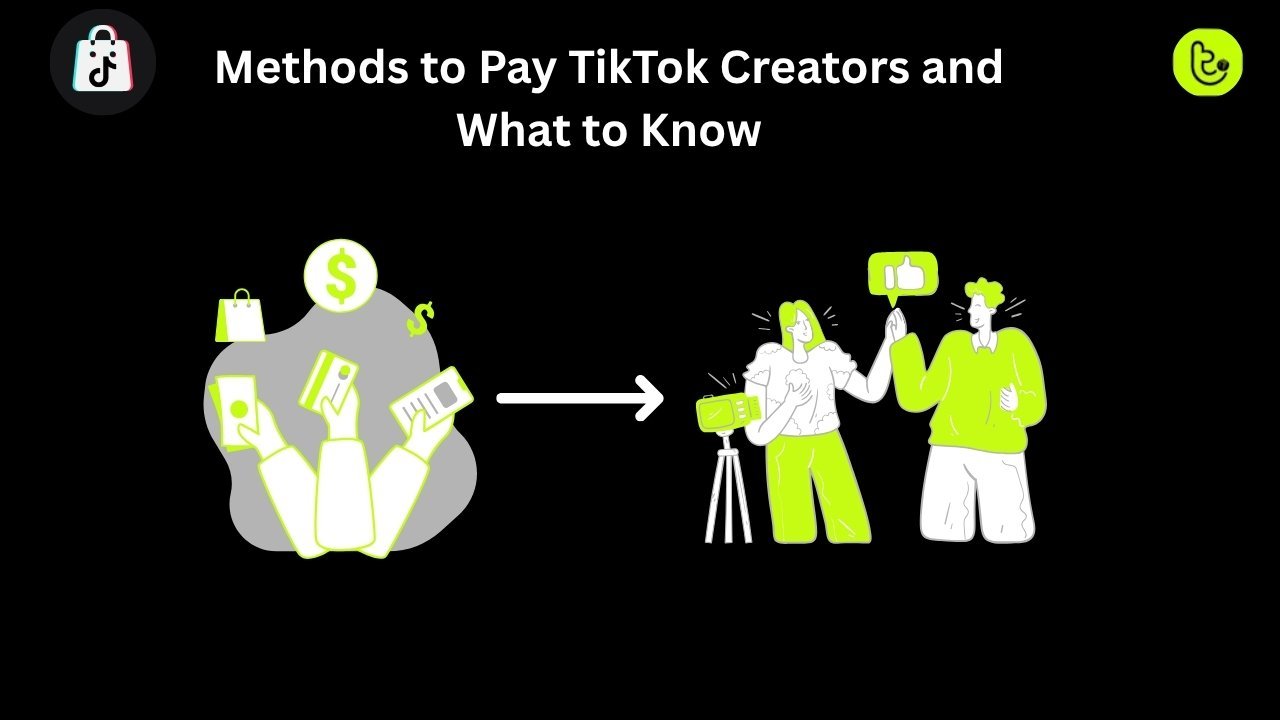
Paying a creator sounds simple until you’re staring at a proposal that mixes a flat fee, an affiliate commission, free product, and content usage rights, and you’re not sure which parts are negotiable. The truth is there’s no single right way to pay a TikTok creator. The right structure depends on what you actually want them to deliver.
For TikTok Shop sellers, that mostly comes down to three options: a flat fee, a commission, or some combination of the two. TikTok Shop also has built-in affiliate collaborations, where creators earn a cut of whatever sales their content drives.
Which one makes sense for you depends on your margins, your goal for the campaign, the creator’s audience, what you need them to produce, and how much say you want over the finished content.
Three Ways to Pay a TikTok Creator
Each payment model works differently, so the best choice depends on what you need from the creator and how you want to balance upfront costs with performance. Here’s a closer look at how each option works.
| Payment method | Best for | Main advantage | Main tradeoff |
|---|---|---|---|
| Flat fee | Sponsored videos and UGC | Predictable cost | You pay even if sales are flat |
| Commission | TikTok Shop affiliate content | Payment tied to sales | Creator income depends on conversion |
| Hybrid | Longer-term partnerships | Guaranteed pay plus upside | Harder to budget cleanly |
Flat-Fee Payment
A flat fee is an agreed amount for specific deliverables. A brand might pay $300 for one video, tied to a brief and a set of usage terms. This is the standard model for sponsored content and UGC, where you’re paying for the creator’s time and craft, and sometimes for a post to their own audience.
TikTok’s creator collaboration tools, including TikTok One, support this kind of paid, project-based arrangement.
Don’t set the fee off the follower count alone. A few things matter more: average views, engagement quality, how relevant the audience actually is to your product, the number of videos, editing requirements, turnaround time, and whether you want usage rights, paid ad rights, or exclusivity. Ask for all of that upfront, because pricing changes once any of it is on the table.
Commission-Based Payment
This is where TikTok Shop does most of its work. A creator earns a percentage when their content leads to a qualifying sale. TikTok pays that commission automatically once the sale goes through.
Say a product sells for $40 and the commission is 20%. That sale earns the creator $8, before any adjustments. Sellers set this up through Open Collaboration or Target Collaboration in the Seller Center. Target Collaboration lets you invite specific creators directly and choose either a commission structure or, for some video collaborations, a flat fee instead.
For sellers who want creator cost tied to actual performance, this is usually the cleanest option.
Hybrid Payment
A hybrid deal pairs a guaranteed payment with a performance incentive. For example: a $150 content fee, free product, a 15% commission, and a separate payment if you want paid usage rights.
This works when the creator is putting real production time into the video but you also want them motivated to sell. The key is spelling out exactly what the base fee covers and when the commission kicks in, so nobody’s guessing later.
How Much Should You Actually Pay?
There’s no reliable universal rate. Two creators with the same follower count can be worth very different amounts. One might post relevant content that people actually engage with. The other might have a bigger audience that mostly scrolls past sponsored posts.
Before agreeing to a fee, get clear answers on a few things:
- What exactly is the creator delivering?
- Will it post on their own account?
- Do you get the raw footage?
- Can you reuse it organically?
- Can you run it as a paid ad?
- How many revisions are included?
- Do you need exclusivity?
- When does payment happen?
A $500 organic post and a $500 UGC video you can run as a paid ad for six months are not the same deal, even though the number on the invoice looks identical.
What’s a Good TikTok Shop Commission Rate?
There isn’t a single percentage that works across products. TikTok’s Seller Center lets you set commission rates for affiliate collaborations, and the range depends on your market. In the U.S., standard Target Collaboration rates can run anywhere from 1% to 80%, according to TikTok’s own documentation.
Don’t copy another seller’s number. Do the math on your own product instead.
Say your selling price is $30, product and fulfillment cost $12, and other selling costs run $6. That leaves $12 in contribution before you pay a creator. A 20% commission on that $30 sale is $6, which leaves $6 to cover everything else in the business. Whether that works depends entirely on your other costs.
It’s also worth thinking about the deal from the creator’s side. A high commission on a product that’s hard to demonstrate on camera, or that people don’t want much of, isn’t as attractive as it looks on paper. Plenty of creators turn down commission-only offers on products they don’t think will sell, no matter what the percentage is.
Flat Fee or Commission: How to Decide
Pick a flat fee if you mainly need reliable content or access to a creator’s audience, you’re primarily buying production, and you have specific requirements for what gets made.
Pick commission if you’re selling through TikTok Shop, want cost tied directly to sales, have a product that’s genuinely appealing, and you’re recruiting more than one affiliate.
Pick a hybrid if the production itself takes real effort, you want stronger buy-in from the creator, you need both content and sales, and your margins can support paying for both.
What Belongs in a Creator Payment Agreement
Get this in writing before anyone starts filming.
Deliverables
Number of videos, rough length, format, posting requirements, captions, links, product mentions, deadlines.
Payment
The fee, currency, method, schedule, and any conditions attached to it. TikTok One creators set up their payment details, including local currency and tax information, through the Rewards Center.
Commission
The percentage, what counts as an attributed sale, and any exclusions.
Usage Rights
Can you repost the content organically? Edit it? Put it on your website or in email marketing? Run it as a paid ad? For how long? Paying for a video doesn’t automatically hand you unlimited commercial rights, so this has to be stated outright.
Revision
How many are included, and what happens if the content misses the brief.
Exclusivity
If you don’t want the creator promoting a competitor for some period, say so in writing.
A Simple Process for Hiring a Creator
Once you know what you want from the collaboration, the next step is to set up the partnership properly. This simple process will help you choose the right creator, agree on clear terms, and measure whether the collaboration is worth the investment.
- Define the goal first. Are you after awareness, UGC, sales, affiliate content, or some mix?
- Choose the structure. Flat fee, commission, or hybrid, based on that goal and your margins.
- Vet the creator properly. Don’t stop at follower count. Look at average views, audience location, engagement, past product content, and how their comments read.
- Write down the deliverables. What they’re producing and where it’s going.
- Settle rights and terms before production starts. Usage rights, payment timing, commission rules, revisions, exclusivity, all of it.
- Track performance. For affiliate campaigns, watch attributed sales and commission cost through Seller Center. TikTok also lets sellers authorize affiliate creatives for use in Shop Ads, so a creator’s content can carry over into your paid campaigns.
- Review the actual economics. Views alone don’t tell you if a creator was worth it. Compare content cost, commission paid, sales generated, conversion rate, and what similar content would have cost you to produce elsewhere.
Where these Payments Go Wrong
Creator payments can cause problems when the deal looks simple on paper but leaves important details unclear. These are some of the mistakes that can quickly eat into your budget or create issues later.
- Paying for followers instead of fit. A smaller creator with the right audience often outperforms a bigger, more generic one.
- Ignoring usage rights. A $200 video becomes a much bigger asset the moment you decide to run it as a paid ad, so settle right before you’re in that position, not after.
- Offering commission on a product that’s a hard sell. The creator still has to spend time making the content. A high percentage doesn’t fix a product nobody wants.
- Leaving revisions undefined. “One video” can mean very different things depending on who you ask.
- Paying everything upfront with no protection. Match the payment terms to the deliverables and how much you trust the relationship.
- Using the same rate for every creator. Pricing should reflect the scope of each specific collaboration, not a flat number you apply across the board.
- Skipping disclosure. Sponsored content and affiliate relationships need to follow platform and advertising disclosure rules, no exceptions.
Where Tiksly Fits In
Tiksly is a TikTok Shop Official Creative Partner. We work with brands on creator-led TikTok Shop campaigns: sourcing and vetting creators, negotiating terms, producing content, and running the campaign once it’s live.
Figuring out how to pay a creator is rarely just about picking a percentage or a flat number. It’s tied to finding the right creators, writing a brief that actually gets you usable content, and having a way to judge whether the campaign was worth it once it’s done. That’s the part we help with day to day, from creator outreach through performance tracking.
If you’re planning a TikTok Shop creator campaign, get in touch and we’ll talk through your product, your creator requirements, and what a workable payment structure looks like for your situation.
The Bottom Line
The question to start with isn’t which payment method sounds best. It’s what you’re actually paying the creator to do. Need defined content? Go flat fee. Chasing TikTok Shop sales? Commission ties pay to results. Need both solid production and a reason for the creator to push sales? That’s what hybrid deals are for.
Before signing anything, run your margins, nail down the deliverables, settle usage rights, put payment terms in writing, and decide how you’ll measure whether it worked. The right commission rate isn’t the highest one you can afford. It’s the one that still makes sense for your business while giving the creator a real reason to promote your product.
Need help deciding how to structure your next creator campaign? Book a 1:1 consultation with Tiksly to discuss your goals, creator requirements, payment structure, and TikTok Shop strategy.
FAQs
How do you pay TikTok creators?
Through a flat fee, an affiliate commission, or a combination of both. TikTok Shop handles commission-based affiliate collaborations, while TikTok One supports paid, project-based work with terms set per project.
What are the most common TikTok creator payment methods?
Flat fees for agreed deliverables, commissions on qualifying TikTok Shop sales, and hybrid deals that combine a guaranteed fee with commission.
How much commission should I offer TikTok Shop creators?
There’s no universal number. Start with your product margin, then factor in the creator’s content quality, audience fit, and how likely the product is to sell. TikTok Shop lets sellers set commission rates for eligible affiliate collaborations.
Should I pay a flat fee or commission?
Flat fee if you mainly need guaranteed content or audience reach. Commission if you want payment tied to TikTok Shop sales. Hybrid if you need both solid production and a performance incentive.
Does TikTok Shop pay creator commissions automatically?
Yes, for affiliate campaigns, commissions are paid automatically once a qualifying sale happens, under TikTok’s platform rules.