
 Ayesha Khan
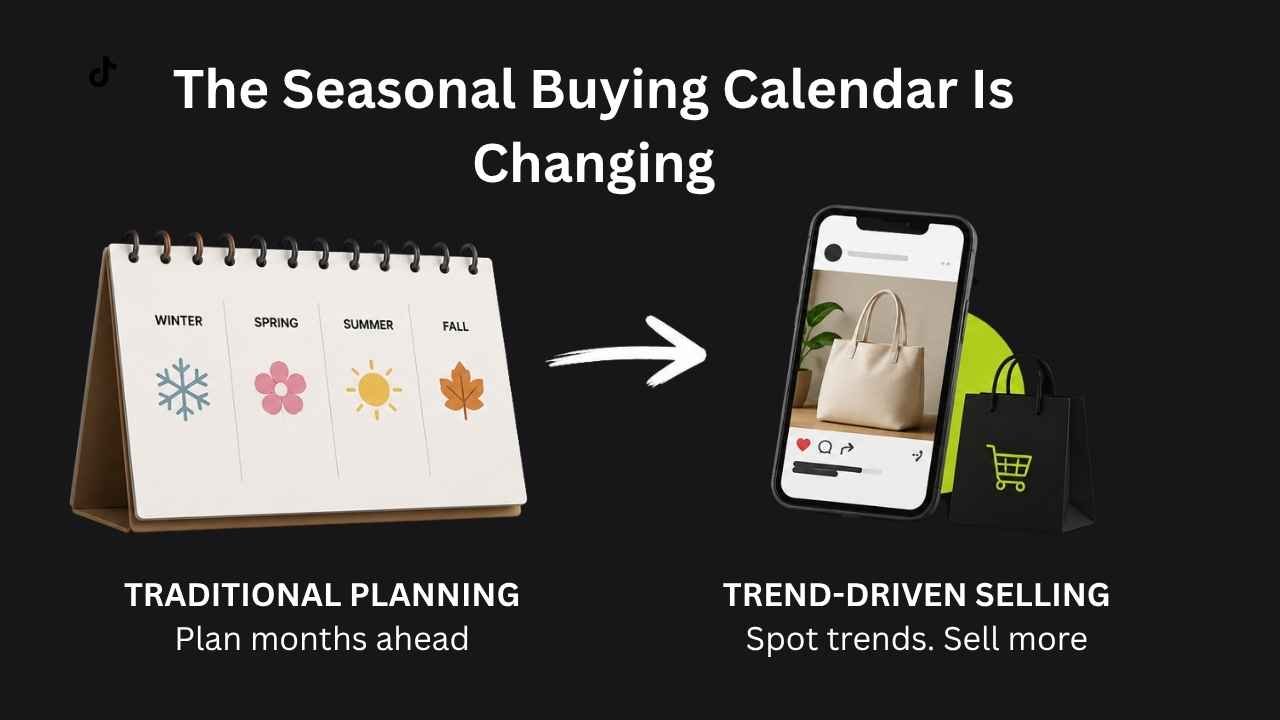
For decades, retailers followed a predictable seasonal buying calendar. Fashion brands prepared summer collections months in advance, holiday products were ordered early, and businesses relied on previous sales data to predict future demand.
This traditional approach helped retailers maintain stable inventory cycles and plan marketing campaigns ahead of time. However, the rise of TikTok Shop has changed how consumers discover and purchase products.
Today, customers are influenced by viral videos, creator recommendations, and livestream shopping events that can turn an unknown product into a bestseller within days. A product no longer needs to wait for the right season to attract buyers. It only needs the right moment, the right audience, and the right content.
This shift has changed the TikTok Shop seasonal buying calendar, forcing boutique owners to rethink how they approach inventory, marketing, and customer engagement.
Why the Traditional Seasonal Buying Calendar Is Losing Its Power
The traditional retail calendar was built around predictable consumer habits. Businesses could estimate demand based on previous years and prepare their inventory accordingly.
For example, a boutique might order winter clothing months before temperatures dropped or prepare holiday collections long before shoppers started buying gifts.
However, TikTok Shop has introduced a faster buying cycle. Consumers are discovering products based on what appears on their screens rather than what retailers planned months earlier.
A product can become popular because of:
- A viral creator video
- A trending hashtag
- A product review
- A livestream demonstration
- User-generated content
This means consumer demand can appear suddenly and disappear quickly. Retailers that depend only on seasonal forecasts may miss opportunities or end up with excess inventory.
How TikTok Shop Changed Consumer Shopping Behavior
The biggest change created by TikTok Shop is the way customers discover products.
Previously, shoppers often searched for products they already wanted. Today, many purchases begin with discovery. A customer may see a product while watching entertainment content, become interested, and complete the purchase within minutes.
This new form of social commerce shopping behavior has shortened the distance between product discovery and buying decisions.
For boutique owners, this creates both opportunities and challenges. A small brand can gain massive visibility without the marketing budget of a large retailer. However, businesses also need to react faster because customer attention can shift quickly.
Why Small Boutiques Are Feeling the Impact the Most
Large retailers usually have dedicated teams managing purchasing, inventory, marketing, and supply chains. They can often absorb sudden changes in demand because they have more resources available.
Small boutiques operate differently. Many owners manage purchasing, customer service, marketing, and operations themselves. A sudden viral trend can create exciting sales opportunities, but it can also create inventory problems if the business cannot respond quickly.
This is why flexibility has become one of the most important advantages for independent retailers.
A boutique that can test products quickly, adjust inventory decisions, and respond to customer interest may compete effectively against larger brands.
The Rise of Trend-Based Inventory Planning
Smart boutique owners are moving away from relying only on seasonal predictions. Instead, they are building more flexible inventory strategies based on current customer interest.
Rather than purchasing large quantities months in advance, many businesses are adopting smaller test orders. They introduce products, measure customer response, and increase inventory only when demand is proven.
This approach helps reduce risks such as:
- Unsold seasonal stock
- Products losing popularity before selling
- Money being tied up in slow-moving inventory
- Missing opportunities created by viral trends
Modern boutique inventory planning requires a balance between preparation and adaptability.
Seasonal collections still matter, but businesses are adding more room for trend-based opportunities.
What Smart Boutique Owners Are Doing Differently
Successful TikTok Shop sellers are changing their approach in several ways.
They Monitor Trends Regularly
Instead of reviewing market trends once every season, many boutique owners now analyze TikTok content regularly. They look at trending products, customer comments, creator conversations, and purchasing patterns.
This allows them to identify opportunities before a trend reaches its peak.
They Test Products Before Scaling
A viral product may attract attention, but attention does not always guarantee long-term sales.
Smart retailers test products with smaller inventory quantities before making larger investments. This gives them a clearer understanding of customer demand while reducing financial risk.
They Create Content Around Customer Interests
Retailers are also becoming more focused on content creation. Product visibility depends heavily on how well a brand communicates with its audience.
A product that solves a problem, tells a story, or appears in engaging content has a better chance of attracting buyers.
The Role of TikTok Shop Management in Modern Retail
Managing a successful TikTok Shop requires more than uploading products and waiting for sales. Businesses need to monitor performance, update listings, manage customer interactions, track trends, and optimize store operations.
Many growing brands use professional TikTok Shop management services to handle daily operations and improve store performance. This allows boutique owners to focus on product development and business growth while ensuring their TikTok presence remains active and optimized.
Why Creator Partnerships Are Driving More Sales
Creators have become one of the strongest influences in online shopping. Customers often trust creators because they see products being used, tested, and recommended in authentic ways.
For boutique brands, working with the right creators can help introduce products to highly relevant audiences.
Through creator and affiliate marketing, businesses can partner with right influencers who promote products through videos, reviews, and demonstrations. This approach allows brands to reach potential customers who may not have discovered them through traditional advertising.
Creator partnerships can be especially valuable when launching new products or trying to increase awareness quickly.
How TikTok Shop Ads Help Brands Scale Winning Products
Organic content can create strong visibility, but paid promotion can help businesses expand their reach further.
When a product performs well organically, brands can use TikTok Shop ads to reach more potential customers and increase sales opportunities. Paid campaigns allow businesses to promote products to targeted audiences while building on existing momentum.
The key is knowing when to invest. Businesses should analyze product performance before increasing advertising spend to ensure they are supporting products with genuine customer interest.
Common Mistakes Boutique Owners Should Avoid
Adapting to TikTok Shop requires strategy. Some businesses make mistakes that limit their growth.
One common mistake is chasing every viral trend without considering whether it fits their brand. A product may receive millions of views but still fail to generate meaningful sales if it does not match customer expectations.
Another mistake is investing too heavily too quickly. Trends can move fast, so businesses should test demand before committing large amounts of inventory or advertising budget.
Boutiques should also avoid focusing only on short-term sales. Building customer trust, maintaining quality, and creating repeat buyers remain essential for long-term success.
Practical Strategies to Stay Ahead in the TikTok Shop Era
Boutique owners can prepare for this new retail environment by making a few key changes:
- Review trending products and customer conversations regularly.
- Keep part of the inventory budget available for unexpected opportunities.
- Build relationships with flexible suppliers.
- Analyze sales data before expanding product lines.
- Combine organic content with paid campaigns when products perform well.
- Work with creators who align with the brand’s audience.
- Adjust inventory decisions based on real-time demand.
These strategies help businesses remain flexible while still maintaining a clear growth plan.
The Future of Retail Planning
The seasonal buying calendar is not disappearing completely. Holidays, weather changes, and traditional shopping periods will continue influencing consumer purchases.
However, TikTok Shop has created a new layer of complexity. Retailers now need to combine seasonal planning with real-time trend analysis.
The brands that succeed will be those that understand their customers, respond quickly, and use technology to make smarter decisions.
Retail is moving from a calendar-based approach toward a more flexible, customer-driven model. Boutique owners who adapt to this change can turn viral moments into sustainable growth opportunities.
Conclusion
TikTok Shop has changed how boutiques approach buying, marketing, and inventory decisions. The traditional seasonal calendar alone cannot keep up with a platform where trends can appear overnight and influence thousands of purchasing decisions.
Successful boutique owners are adapting by using flexible inventory strategies, monitoring customer behavior, and investing in tools that help them respond faster.
Ready to turn your TikTok Shop into a growth engine? Book a 1:1 consultation with Tiksly and get expert guidance on building a strategy that fits your brand goals.
FAQs
Is TikTok Shop replacing traditional retail seasons?
TikTok Shop is changing how retailers plan and sell products, but traditional seasons still influence consumer demand. Many businesses are now combining seasonal planning with real-time trend monitoring.
Why are TikTok trends affecting boutique inventory decisions?
TikTok trends can create sudden demand spikes. A product can become popular quickly, requiring businesses to adjust inventory decisions faster than traditional retail planning allows.
How can small boutiques compete with larger brands on TikTok Shop?
Small boutiques can compete by responding quickly, building authentic customer relationships, working with creators, and using flexible inventory strategies.
What is the benefit of creator and affiliate marketing for boutiques?
Creator and affiliate marketing helps brands reach targeted audiences through trusted recommendations, increasing product visibility and potential sales.
When should businesses use TikTok Shop ads?
Businesses should consider TikTok Shop ads when they have products showing strong engagement and sales potential. Paid campaigns can help expand reach and increase conversions.